

Guide To Moving House With Kids
A Parent's Survival Guide: How to Make Moving House with Kids a Positive Adventure Moving h... Read More
For plant parents, our leafy friends aren't just decorations; they're part of the family. So when it's time to move house, the thought of uprooting your beloved fiddle-leaf fig or prized monstera can be seriously stressful. Plants are sensitive, and the shock of a move can easily damage them.
But don't start giving away your green babies just yet! With a bit of forward planning and the right techniques, you can move your entire indoor jungle to your new home safely and successfully. If you’re worried about transporting larger or more fragile plants, professional removalists can help ensure they make the journey without harm. This guide will walk you through everything you need to know, from pre-move prep to helping them settle into their new digs.
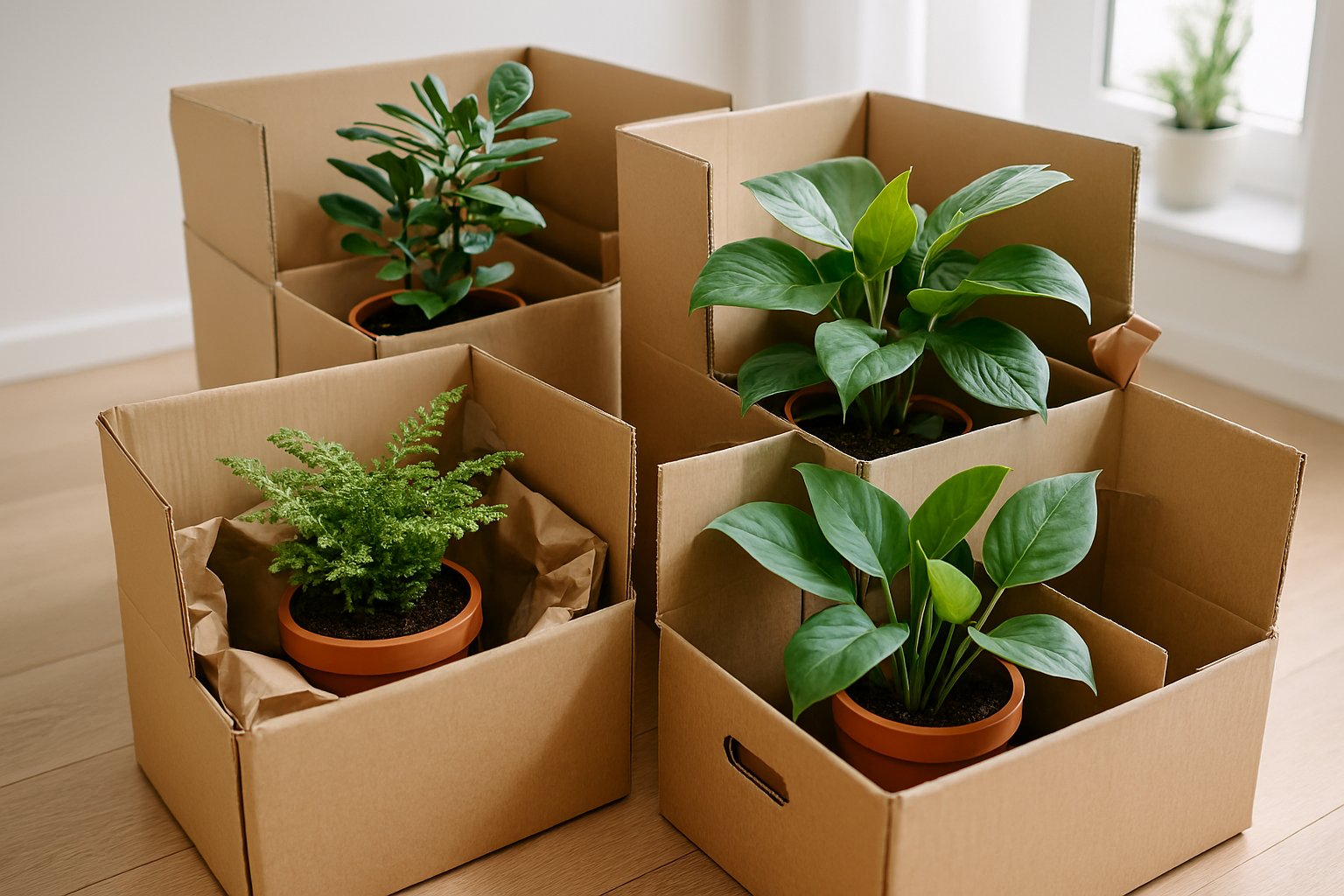
Moving day is tough on plants. The key to helping them survive is to make them as strong and healthy as possible beforehand.
About two to three weeks before you move, give your plants a light haircut. Prune any dead leaves, branches, or old flowers. This makes them more compact and easier to pack, and it also directs the plant's energy towards maintaining its healthy roots and leaves during the stressful move.
The last thing you want to bring to your new home is a family of mealybugs or spider mites. Thoroughly inspect your plants—under leaves, along stems, and on the soil surface. If you find any pests, treat them now so you're not dealing with an infestation amidst the unpacking chaos.
Heavy ceramic or terracotta pots are beautiful, but they are fragile and add a lot of weight. If you have plants in breakable pots, consider temporarily repotting them into lightweight plastic nursery pots a few weeks before the move. You can pack the decorative pots separately and safely. Important: Don't repot your plants into a larger size right before a move; this adds too much stress.
This is a crucial step for anyone moving across state lines in Australia. Each state has strict quarantine laws to prevent the spread of pests and diseases. Some plants, soil, and even pots are restricted. Before you even think about packing, visit the Australian Interstate Quarantine website to check the rules for your destination state. You may need to get your plants inspected or even wash the soil from their roots.
Packing is the most critical stage. Your method will vary slightly depending on the size of the plant.
Give your plants a moderate watering 24-48 hours before the move. You want the soil to be moist, but not soaking wet. Wet soil is heavy and can make a mess, while bone-dry soil can add stress to the plant.
Large floor plants won't fit in a box, so they need a different approach.
How your plants travel is just as important as how they are packed.
The safest place for your plants is in your own car. You can control the temperature, secure them on the floor or on a seat, and ensure they stay upright. It's the VIP treatment they deserve.
This is riskier due to a lack of climate control and light. If you must use a removalist truck:
You've made it! But the job isn't quite done.
Most hardy houseplants can survive for 2-3 days in a dark box, but it's not ideal. Delicate plants may start to suffer after just 24 hours. Aim to unpack them on the same day you move.
Some professional movers will, but many won't, as they can't guarantee the plants' survival and aren't covered by insurance. Always check with your moving company beforehand.
For very small or delicate plants, place them in a box with dividers, like a wine box, to keep each small pot separate and secure.
Yes! For very precious or fragile plants, taking a few cuttings a few weeks before the move is a great insurance policy. You can transport them easily in a jar of water, so even if the mother plant doesn't make it, you haven't lost it completely.
A Parent's Survival Guide: How to Make Moving House with Kids a Positive Adventure Moving h... Read More

Proper packing and moving are very essential in many cases such as if you got a transfer or you nee... Read More

A Guide to Commercial Relocation in Perth Commercial relocation comes with a lot of responsibilities... Read More