
Guide To Moving House With Kids
A Parent's Survival Guide: How to Make Moving House with Kids a Positive Adventure Moving h... Read More
Moving alone for the first time often seems straightforward until the logistics begin. Packing, transport, utilities, and budgeting can quickly add complexity. This guide explains what to realistically expect and how to prepare for a solo relocation in Australia.
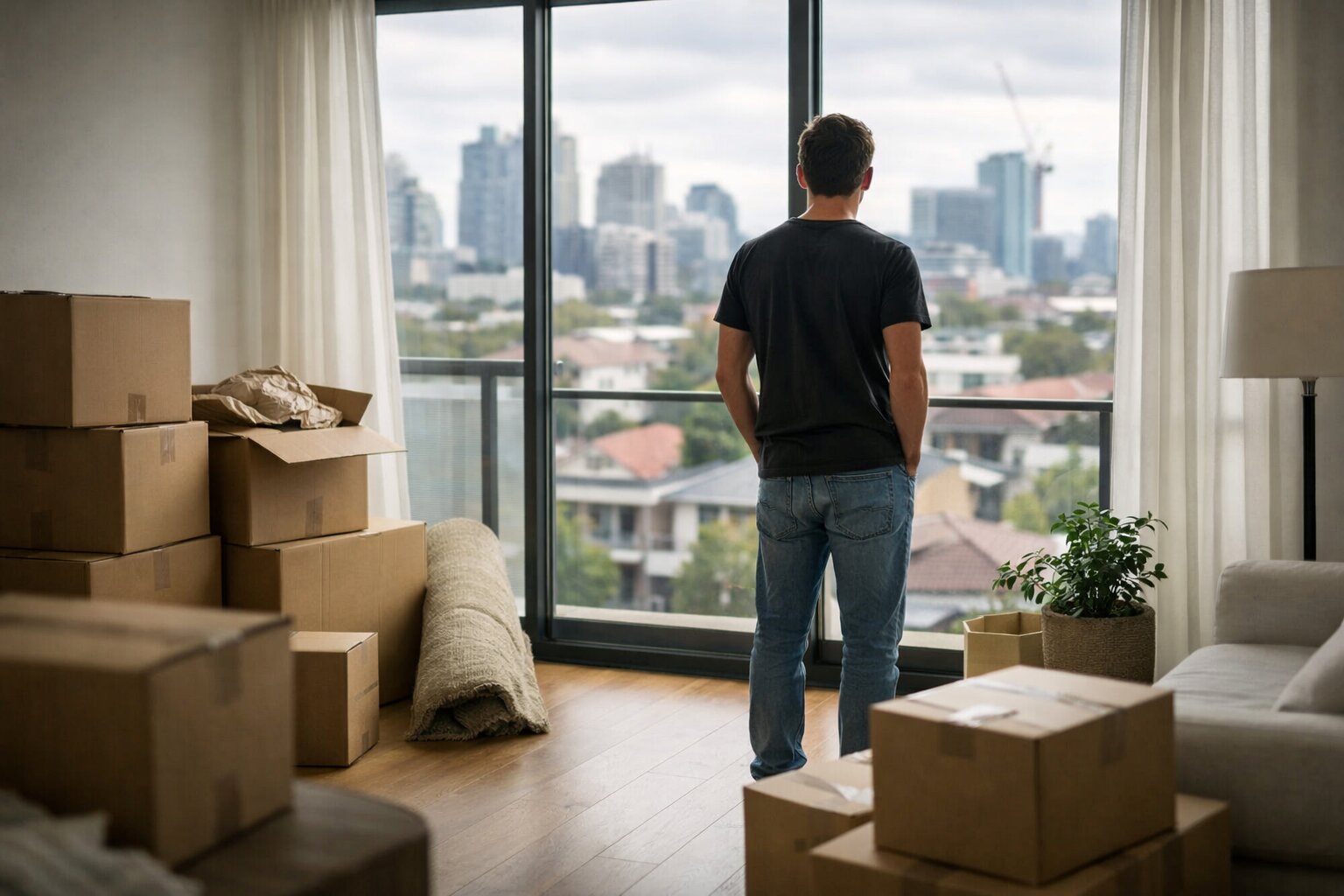
Moving alone requires you to be the sole project manager for every logistical, financial, and physical aspect of the transition. Let’s break this down into the core components: pre-move planning, moving day execution, and post-move setup.
First-time solo moves usually involve more planning, budgeting, and coordination than people initially expect. You do not have flatmates to share the physical load or split upfront costs like cleaning and removalists.
A common misconception is that moving is "just packing boxes." In reality, packing is only one component. Managing utility transfers, administrative updates, apartment access, and rental condition reports dictates the success of your move.
Preparation limits costly delays and logistical failures. Start organising your moving checklist at least four weeks out.
You must cover all upfront costs yourself. A common misconception is that you only need to budget for removalists.
Budget Alert: Factor in overlapping rent, the new rental bond (often four weeks' rent upfront), end-of-lease cleaning for your current place, and utility connection fees.
Book removalists three to four weeks in advance. If you are moving into a metro CBD apartment, building managers require strict lift booking windows and loading dock reservations.
Pro Tip: Always confirm parking access for the removalist truck at both your old and new properties. Failure to coordinate this in advance often results in hourly delays and extra charges.
Pack non-essential items first. Clearly label boxes with the destination room and a brief list of contents. Moving from a share house into your first apartment often reveals hidden clutter, so audit your belongings before buying packing materials.
Crucial: Pack an essentials box. This must include your utility transfer confirmations, phone chargers, basic toiletries, a change of clothes, and bedding for the first night.
First-time solo movers often need to purchase major appliances like a fridge or washing machine. Because you live alone, you are the only person available to sign for these items.
Schedule new appliance deliveries for the day after you move in. Attempting to coordinate retail deliveries on the exact same day as your removalists causes driveway congestion and logistical bottlenecks.
Warning: Measure all doorways, hallways, and apartment lifts before ordering whitegoods. Retailers will charge a redelivery fee if an item does not fit through your front door.
Moving day is highly structured. Expect early starts and strict timelines, particularly when coordinating with professional removalists.
Follow these steps on moving day:
Note: If you are managing an interstate solo relocation, expectations change. Your belongings will likely spend several days or weeks in transit. You must travel with extended essentials and coordinate your arrival with the freight delivery window.
The process does not end when the removalist truck departs. You must finalise rental documentation, update your legal administration, and systematically settle into the new home.
If you are moving into a new rental, the real estate agent provides a condition report. You typically have three to seven days to review, amend, and return it.
Crucial: Document every existing mark, stain, or damage with photos before unpacking your furniture. Submitting a highly detailed condition report protects your bond when you eventually vacate.
Changing your address involves more than notifying friends. Failing to update government bodies can result in missed toll notices, fines, or delayed tax returns.
Complete these administrative updates within your first week:
Living alone means you no longer have flatmates acting as a secondary deterrent or providing backup if you lock yourself out. You must establish your own security baseline immediately.
Test all window locks, sliding doors, and smoke alarms on your first night. Identify where the main water valve and electrical switchboard are located so you can act quickly in an emergency.
Pro Tip: Give a spare set of keys to a trusted local friend or family member within the first 48 hours. Professional locksmith callouts for a lockout start at $150 and increase significantly after hours.
Unpack strategically to restore basic living functionality. Set up your bed first, followed by the bathroom items from your essentials box. You can organise the kitchen and living areas progressively over the following days.
Avoid these frequent errors when managing your first move:
A Parent's Survival Guide: How to Make Moving House with Kids a Positive Adventure Moving h... Read More

Proper packing and moving are very essential in many cases such as if you got a transfer or you nee... Read More

A Guide to Commercial Relocation in Perth Commercial relocation comes with a lot of responsibilities... Read More